%2Ffit-in%2F250x250%2Fguide_websites%2F19714%2Fimages%2F1731577366730image-2024-11-14t174239.512.png&w=1920&q=100)
/users/950fb05f-c713-4d34-aaae-13d1319ceabc/ratecard/472877626_122198895608205270_5201124218141568396_n.jpg)
%2F300x300%2Fusers%2F950fb05f-c713-4d34-aaae-13d1319ceabc%2Fratecard%2F472877626_122198895608205270_5201124218141568396_n.jpg&w=256&q=75)
%2F300x300%2Fusers%2F950fb05f-c713-4d34-aaae-13d1319ceabc%2Fimages%2Flingcod-myrtle-creek-fishing-2433.jpg&w=256&q=75)
%2F300x300%2Fusers%2F950fb05f-c713-4d34-aaae-13d1319ceabc%2Fimages%2Fgreat-fishing-myrtle-creek-2323.jpg&w=256&q=75)
%2F300x300%2Fusers%2F950fb05f-c713-4d34-aaae-13d1319ceabc%2Fimages%2Ffishing-oregon-adventure-2281.jpg&w=256&q=75)
%2F300x300%2Fusers%2F950fb05f-c713-4d34-aaae-13d1319ceabc%2Fimages%2Fmuskellunge-caught-oregon-2420.jpg&w=256&q=75)
%2F300x300%2Fusers%2F950fb05f-c713-4d34-aaae-13d1319ceabc%2Fimages%2Frainbow-trout-fishing-oregon-2323.jpg&w=256&q=75)
%2F300x300%2Fusers%2F950fb05f-c713-4d34-aaae-13d1319ceabc%2Fimages%2Ffishing-adventure-oregon-2317.jpg&w=256&q=75)
%2F300x300%2Fusers%2F950fb05f-c713-4d34-aaae-13d1319ceabc%2Fimages%2Fsuccessful-fishing-oregon-2408.jpg&w=256&q=75)
%2F300x300%2Fusers%2F950fb05f-c713-4d34-aaae-13d1319ceabc%2Fimages%2Ffishing-myrtle-creek-2313.jpg&w=256&q=75)
%2F300x300%2Fusers%2F950fb05f-c713-4d34-aaae-13d1319ceabc%2Fimages%2Ffishing-in-or-best-catch-2401.jpg&w=256&q=75)
%2F300x300%2Fusers%2F950fb05f-c713-4d34-aaae-13d1319ceabc%2Fimages%2Ffishing-oregon-adventure-2333.jpg&w=256&q=75)
Umpqua River Smallmouth Bass Fishing | Josh Sutch
 Coos Bay
What you will be catching:
 Chinook Salmon
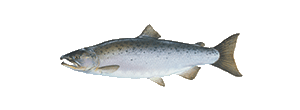 Coho Salmon
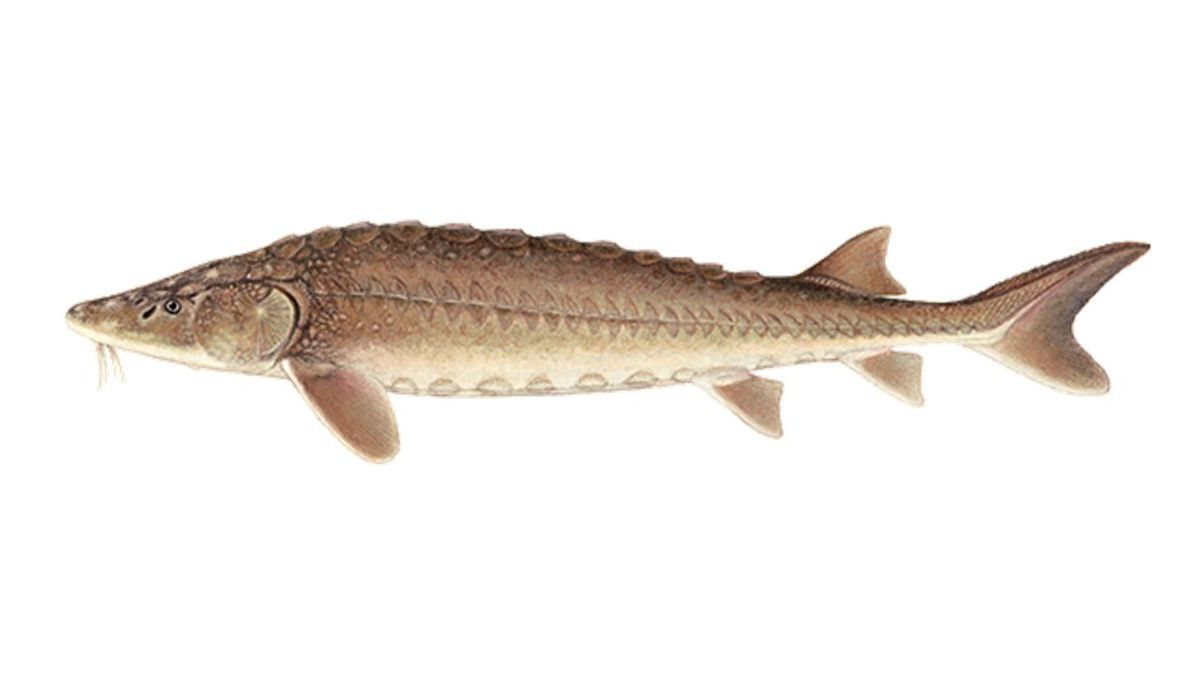 Lake Sturgeon
 Smallmouth Bass
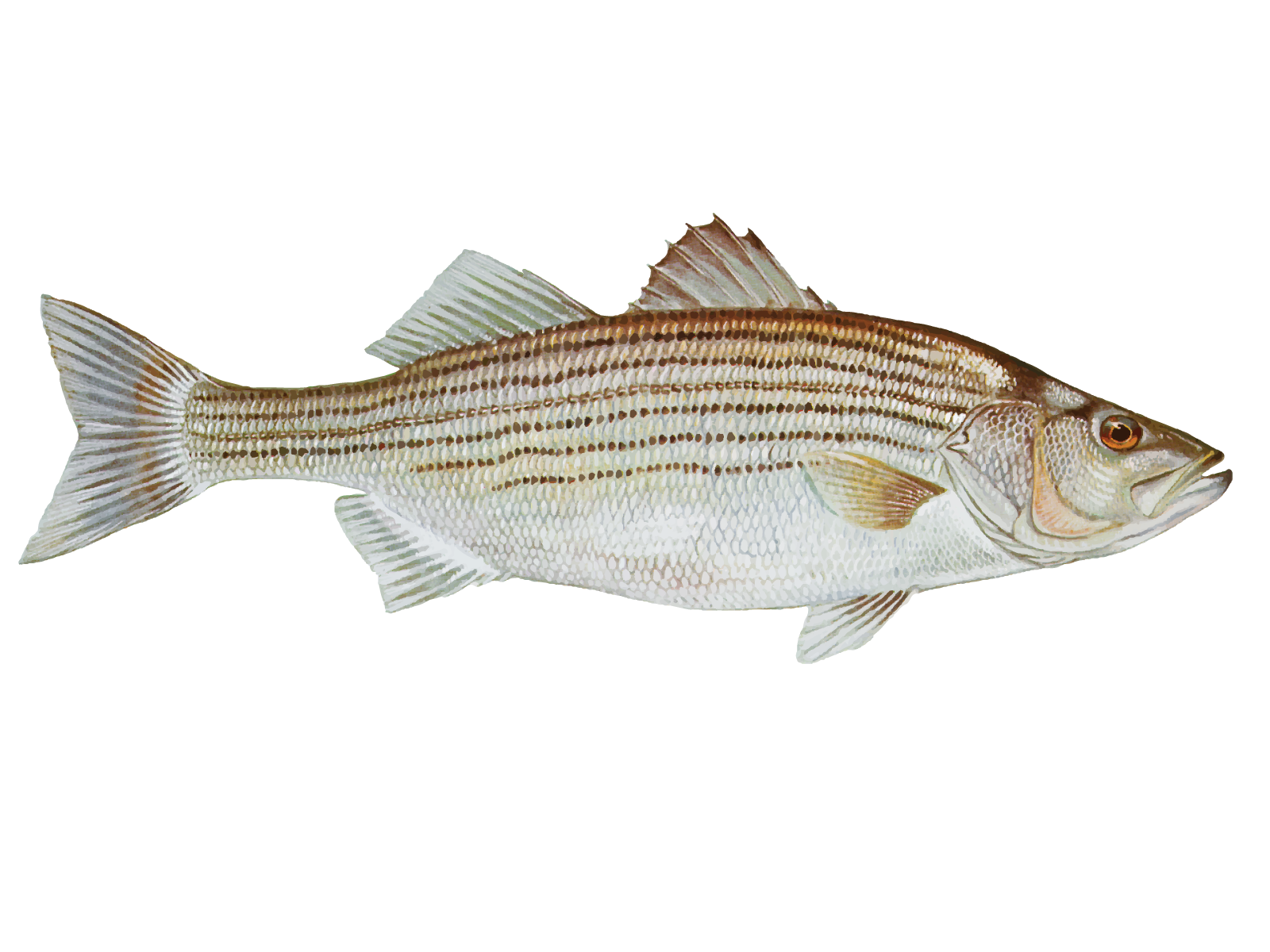 Striped Bass
- Join Josh Sutch for a full-day private fishing adventure on Oregon's Umpqua River, where you'll target smallmouth bass, Chinook salmon, and coho salmon in some of the state's best freshwater. This 8-hour trip is perfect for beginners and families
- Josh provides all the gear and teaches you proven techniques while you explore productive stretches of the river. You'll learn to read the water, spot wildlife, and work different fishing methods at a comfortable pace. The Umpqua offers excellent year-round fishing with stunning scenery, and having a private guide means personalized instruction and the flexibility to focus on what interests you most. All skill levels welcome.
Trip Pricing and Availabilities:
Private Smallmouth Bass Fishing on the Umpqua
Ready to spend eight solid hours chasing smallmouth bass on one of Oregon's most productive rivers? The Umpqua River delivers consistent action for both seasoned anglers and folks just getting their feet wet. This private charter with Josh Sutch Guide Service puts you right in the heart of prime fishing water, where smallmouth bass prowl rocky ledges and salmon runs bring world-class fishing to your doorstep. You'll have the boat to yourself, which means personalized instruction, flexible pacing, and the chance to really dial in your technique without feeling rushed.
What to Expect on the Water
Your day kicks off early with Josh, who knows every bend, boulder, and bass hideout along this stretch of the Umpqua. This isn't some cookie-cutter trip where you sit back and wait for fish to bite. You'll be actively learning how to read water, identify structure, and understand why certain spots hold fish while others don't. The river changes character throughout the day, and Josh adjusts tactics accordingly. Morning might start with topwater action in shallow flats, then shift to deeper pools when the sun climbs higher. All your gear is provided, from rods and reels to tackle and safety equipment, so you can focus on fishing instead of packing. The pace stays relaxed but productive, giving you time to appreciate the surrounding wildlife between hookups.
Techniques and Tackle
Smallmouth bass fishing on the Umpqua requires a mix of finesse and aggression, depending on conditions and fish mood. Josh typically starts with reaction baits like spinnerbaits and crankbaits to cover water quickly and locate active fish. Once you find them, it's time to slow down with soft plastics, jigs, and tubes worked along rocky bottom structure. The river's current adds complexity, requiring proper boat positioning and lure presentation to stay in the strike zone. You'll learn how to feel the difference between a rock, a snag, and that telltale thump of a bass inhaling your bait. Josh provides medium-heavy spinning and baitcasting setups rigged for different techniques, plus a tackle box full of proven Umpqua patterns. Don't worry if you've never used a baitcaster before – part of the fun is mastering new gear under expert guidance.
Species You'll Want to Hook
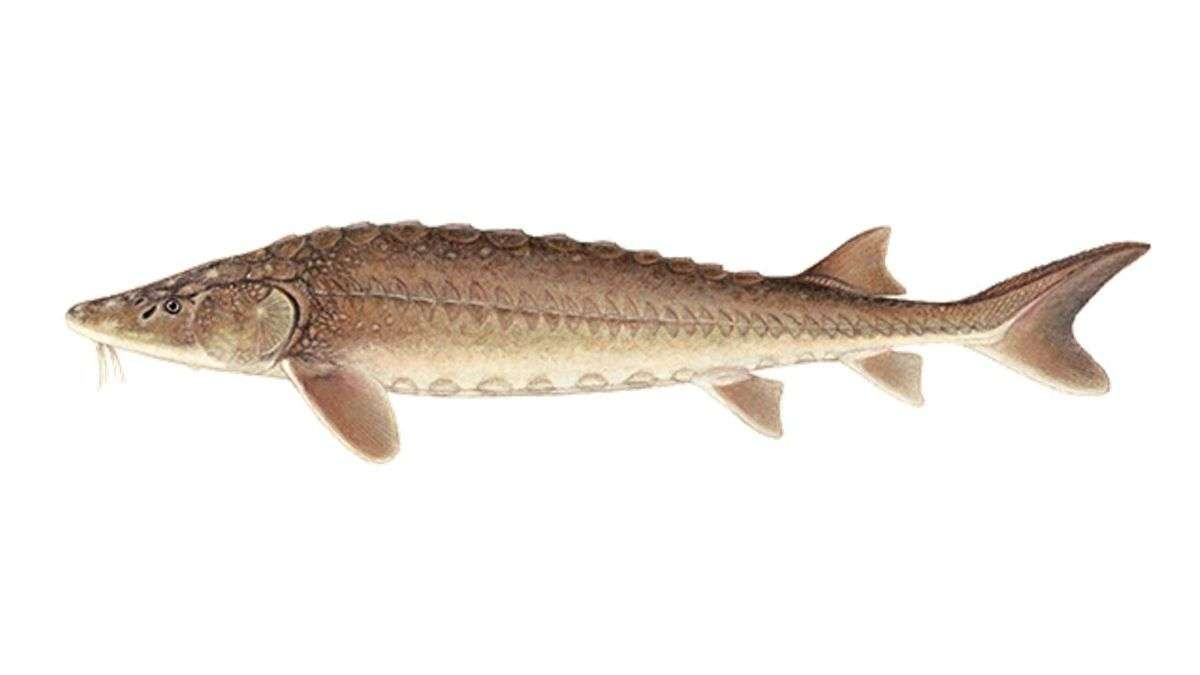
Lake Sturgeon represent the Umpqua's most ancient residents, with some individuals living well over a century. These prehistoric giants can stretch beyond ten feet and weigh several hundred pounds, making them a bucket-list catch for serious anglers. They're bottom feeders with excellent senses of smell and taste, often found in deeper pools during warmer months. Fighting a sturgeon feels like hooking into a submarine – they use their massive size and the river's current to test your tackle and patience. The best action typically happens during cooler water periods in spring and fall.
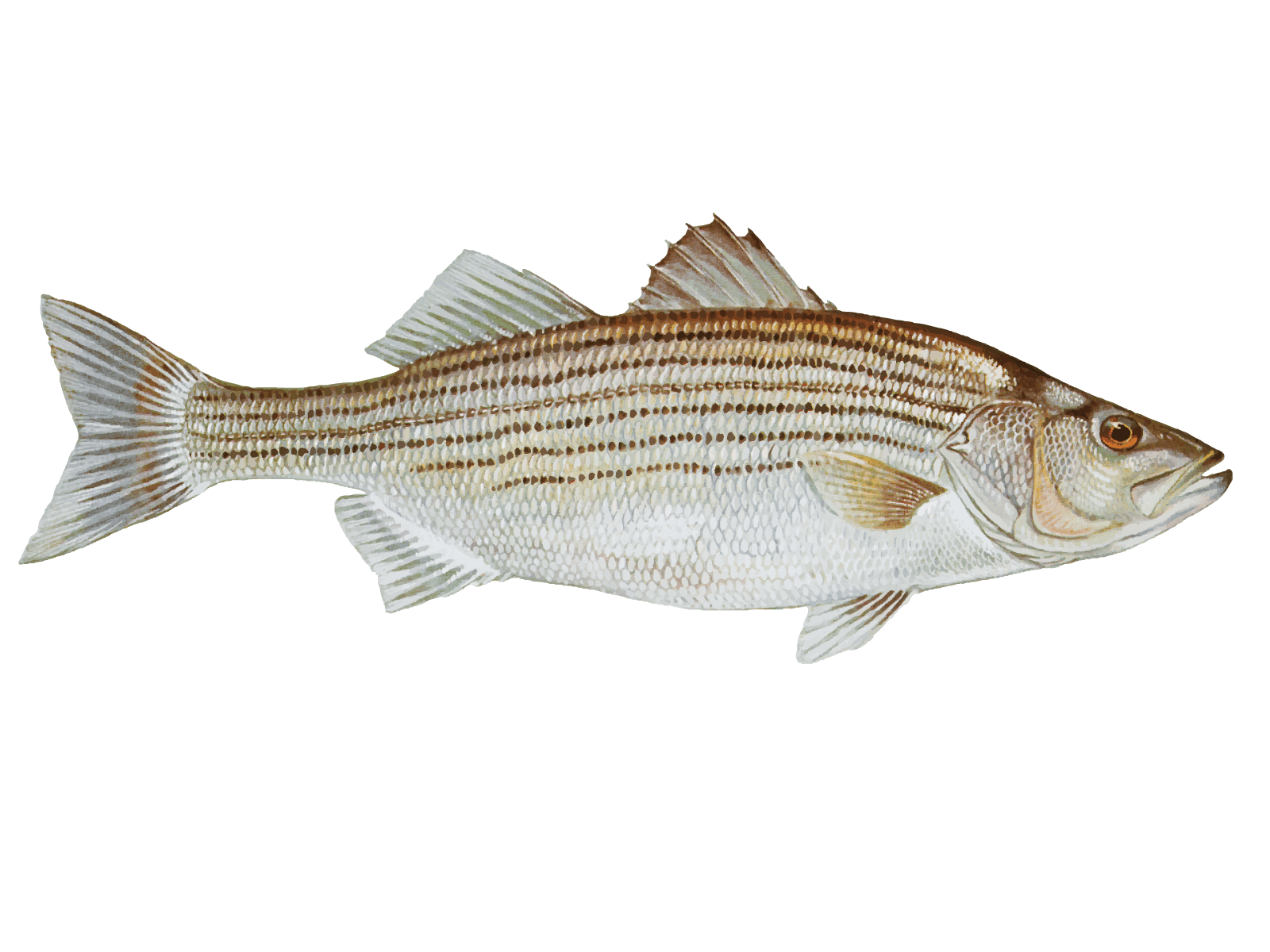
Striped Bass arrived in Oregon waters decades ago and have established thriving populations in coastal river systems like the Umpqua. These silver bullets are aggressive predators that hunt in schools, often following baitfish movements throughout the river system. A typical Umpqua striper runs between five and fifteen pounds, though larger specimens push the twenty-pound mark. They hit hard and fight harder, making long runs and using their broad sides to leverage against the current. Peak season runs from late spring through early fall when water temperatures favor active feeding.
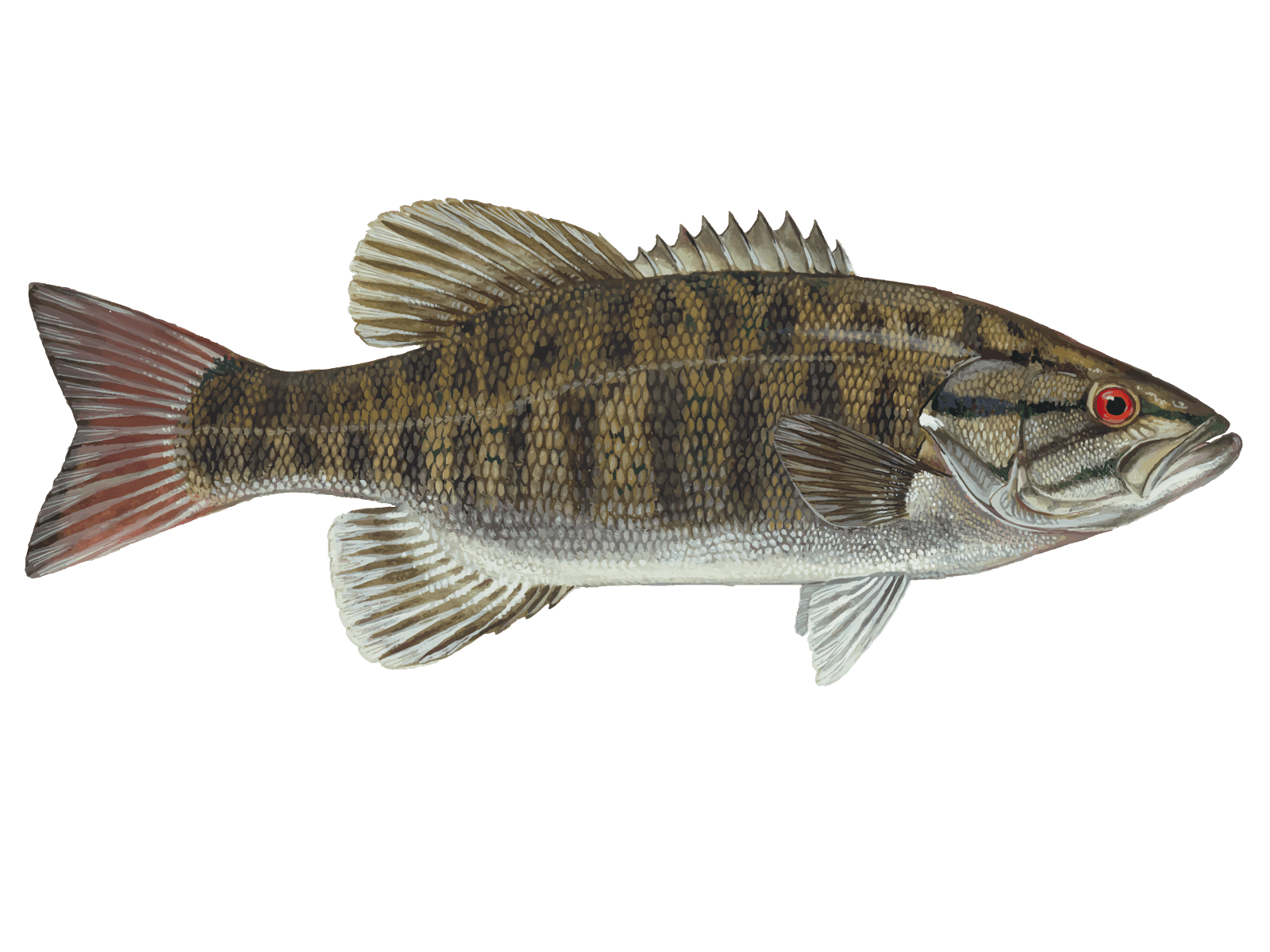
Smallmouth Bass are the Umpqua's signature species and the main target for most guided trips. These bronze fighters pound-for-pound outfight their largemouth cousins, known for spectacular jumps and dogged determination. Oregon smallmouth typically range from twelve to eighteen inches, with occasional trophies exceeding twenty inches and four pounds. They're structure-oriented fish that love rocky points, submerged boulders, and current breaks where they can ambush prey. Summer and early fall provide the most consistent action, though spring fishing can be phenomenal when conditions align.
Coho Salmon enter the Umpqua system during their spawning runs, bringing incredible excitement to fall fishing. These silver rockets average eight to twelve pounds and fight with acrobatic fury, clearing the water repeatedly during battles. Coho are aggressive biters that respond well to spinners, spoons, and properly presented flies. Their runs typically peak between September and November, though timing varies with water conditions and ocean cycles. Landing a bright coho fresh from the Pacific represents one of Oregon's premier fishing experiences.
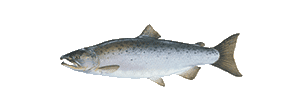
Chinook Salmon are the undisputed kings of Pacific salmon, with Umpqua fish ranging from twenty to forty pounds or more. These powerful fish test every aspect of your tackle and technique, making runs that can strip line faster than you'd believe possible. Spring Chinook enter the system between March and June, while fall fish arrive later in the season. They're less aggressive than coho but incredibly strong, often requiring extended battles in heavy current. The combination of size, strength, and excellent table fare makes Chinook the most sought-after species among serious salmon anglers.
Time to Book Your Spot
Eight hours on the Umpqua with Josh Sutch Guide Service gives you the foundation to become a better angler while enjoying some of Oregon's top-rated freshwater fishing. Whether you're introducing kids to fishing, learning new techniques, or just want a day away from crowds, this private charter delivers personalized attention you won't find on larger boats. The combination of smallmouth bass consistency and salmon opportunities creates fishing memories that last long after you leave the water. Remember that deposits are non-refundable, so once you commit, you're locked in for an authentic Oregon fishing adventure that showcases why the Umpqua River continues drawing anglers from across the Pacific Northwest.
Learn more about the animals
Chinook Salmon
Chinook Salmon are the kings of the river - these massive fish can reach 30+ pounds and provide the fight of a lifetime. They have silver sides, blue-green backs, and black spots on their heads, backs, and fins. Being the largest salmon species, they're incredibly powerful and prefer deeper water, especially around structure and drop-offs. They're light-sensitive, so they stay deep during the day, making early morning and evening prime time. Spring and fall runs bring the best opportunities when they're moving through our system. What makes them special is their incredible strength and that rich, orange-pink meat that's perfect for the dinner table. They live up to 7 years, so you might hook into a real trophy. These fish test your gear and your skills with long, powerful runs. Here's a local secret: since they hug the bottom, use weighted baits and fish deeper than you think - they're often 10-15 feet down even in areas that don't look that deep.
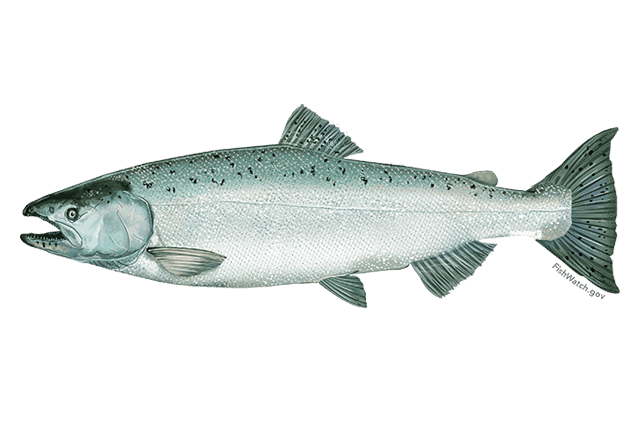
Coho Salmon
Coho Salmon, or "silvers," are the acrobats of the salmon world - they'll jump up to 6 feet and put on quite a show. These bright silver fish with dark blue-green backs typically run 12-30 inches and 8-12 pounds. They're anadromous, spending time in both fresh and saltwater, which makes them incredibly strong fighters. Look for them in calm areas under debris, deep pools, and where tributaries meet the main river. Fall runs offer the best action as they head upstream to spawn. What guests love is their aerial displays and powerful runs, plus that bright orange-red meat makes for outstanding table fare. They're aggressive feeders, hitting everything from spinners to jigs to flies. The key is matching their energy - they like moving baits. Here's a guide tip: in faster water, swing bright spinners like you're steelhead fishing, but in the deeper holes, twitch jigs with long tails to trigger that predatory response.
Lake Sturgeon
Lake Sturgeon are true living dinosaurs - these prehistoric giants have been around for 200 million years. Most you'll encounter run 3-6 feet and 30-100 pounds, though they can get much bigger. These bottom-dwellers love deep holes and rocky areas where they use their whisker-like barbels to hunt for crawfish, worms, and small fish. They're incredibly docile despite their intimidating size and bony plates. Best fishing happens during cooler months when they're more active in shallower water. What makes them special is their longevity - some live over 100 years - and their impressive fights once hooked. They'll make powerful runs and can jump during spawning season. For tackle, bring heavy gear and gloves since those plates are sharp. Here's a local tip: use a big glob of nightcrawlers on the bottom near drop-offs, and be patient - these ancient fish take their time deciding whether to bite.
Smallmouth Bass
Smallmouth Bass are pound-for-pound some of the best fighters in freshwater. These bronze-colored scrappy fish typically run 12-20 inches and 2-6 pounds, with females getting bigger. They love clear water with rocky bottoms and structure like fallen trees or boulders where they ambush prey. Spring and fall are prime time when they're in shallower water during warm, bright days. Summer pushes them deeper into cooler water, making early morning and evening your best bets. What makes them special is their aggressive fight - they'll jump, run, and give you everything they've got on light tackle. Plus, they're great eating with firm, mild flesh. They're perfect for families since they're abundant and willing biters. Here's a local trick: try a weightless plastic worm rigged weedless around structure - let it hang on the surface for a second before letting it sink. That pause often triggers the strike.
Striped Bass
Striped Bass are some of the most versatile fighters you'll find, averaging 20-40 pounds with those distinctive dark stripes running down their silver sides. They're structure-oriented fish that love hanging around drop-offs, rocky areas, and moving water near shorelines. These guys adapt well to both salt and fresh water, making them perfect for our diverse fishing spots. Spring through fall offers the best action, especially during dawn and dusk when they're actively feeding. What guests love about stripers is their strong, determined fight and excellent eating quality - the meat is sweet and flaky. They're not the fastest swimmers but they're powerful and will test your drag. Best seasons are when water temps hit that 55-68 degree sweet spot. Here's a guide secret: use live bait like herring or mackerel near structures during moving water, and don't be afraid to fish deeper when the surface action slows down.
About the Willie Boats
%2F%2Fusers%2F950fb05f-c713-4d34-aaae-13d1319ceabc%2Fvehicle_picture%2Fimage-2024-11-14t151844.427.png&w=1920&q=75)
Vehicle Guest Capacity: 6
Manufacturer Name: Mercury
Maximum Cruising Speed: 38
Number of Engines: 1
Horsepower per Engine: 240