%2Ffit-in%2F250x250%2Fguide_websites%2F19714%2Fimages%2F1731577366730image-2024-11-14t174239.512.png&w=1920&q=100)
/users/950fb05f-c713-4d34-aaae-13d1319ceabc/ratecard/481465359_122211751070205270_6275266402112810688_n.jpg)
%2F300x300%2Fusers%2F950fb05f-c713-4d34-aaae-13d1319ceabc%2Fratecard%2F481465359_122211751070205270_6275266402112810688_n.jpg&w=256&q=75)
%2F300x300%2Fusers%2F950fb05f-c713-4d34-aaae-13d1319ceabc%2Fimages%2Ffishing-myrtle-creek-2696.jpg&w=256&q=75)
%2F300x300%2Fusers%2F950fb05f-c713-4d34-aaae-13d1319ceabc%2Fimages%2Ffive-fish-myrtle-creek-2804.jpg&w=256&q=75)
%2F300x300%2Fusers%2F950fb05f-c713-4d34-aaae-13d1319ceabc%2Fimages%2Ffishing-fun-myrtle-creek-2680.jpg&w=256&q=75)
%2F300x300%2Fusers%2F950fb05f-c713-4d34-aaae-13d1319ceabc%2Fimages%2Fanglers-catch-rainbow-trout-myrtle-2716.jpg&w=256&q=75)
%2F300x300%2Fusers%2F950fb05f-c713-4d34-aaae-13d1319ceabc%2Fimages%2Fblackfin-tuna-myrtle-creek-2890.jpg&w=256&q=75)
%2F300x300%2Fusers%2F950fb05f-c713-4d34-aaae-13d1319ceabc%2Fimages%2Foutdoor-adventure-oregon-2558.jpg&w=256&q=75)
%2F300x300%2Fusers%2F950fb05f-c713-4d34-aaae-13d1319ceabc%2Fimages%2Ffishing-trip-oregon-2657.jpg&w=256&q=75)
%2F300x300%2Fusers%2F950fb05f-c713-4d34-aaae-13d1319ceabc%2Fimages%2Fbountiful-blackfin-bonito-myrtle-creek-2757.jpg&w=256&q=75)
%2F300x300%2Fusers%2F950fb05f-c713-4d34-aaae-13d1319ceabc%2Fimages%2Fblackfin-tuna-oregon-fishing-2679.jpg&w=256&q=75)
%2F300x300%2Fusers%2F950fb05f-c713-4d34-aaae-13d1319ceabc%2Fimages%2Ffriends-fishing-oregon-2475.jpg&w=256&q=75)
Best Elk River Chinook Fishing | Josh Sutch Guide
 Coos Bay
What you will be catching:
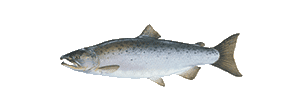
 Chinook Salmon
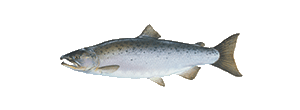 Coho Salmon
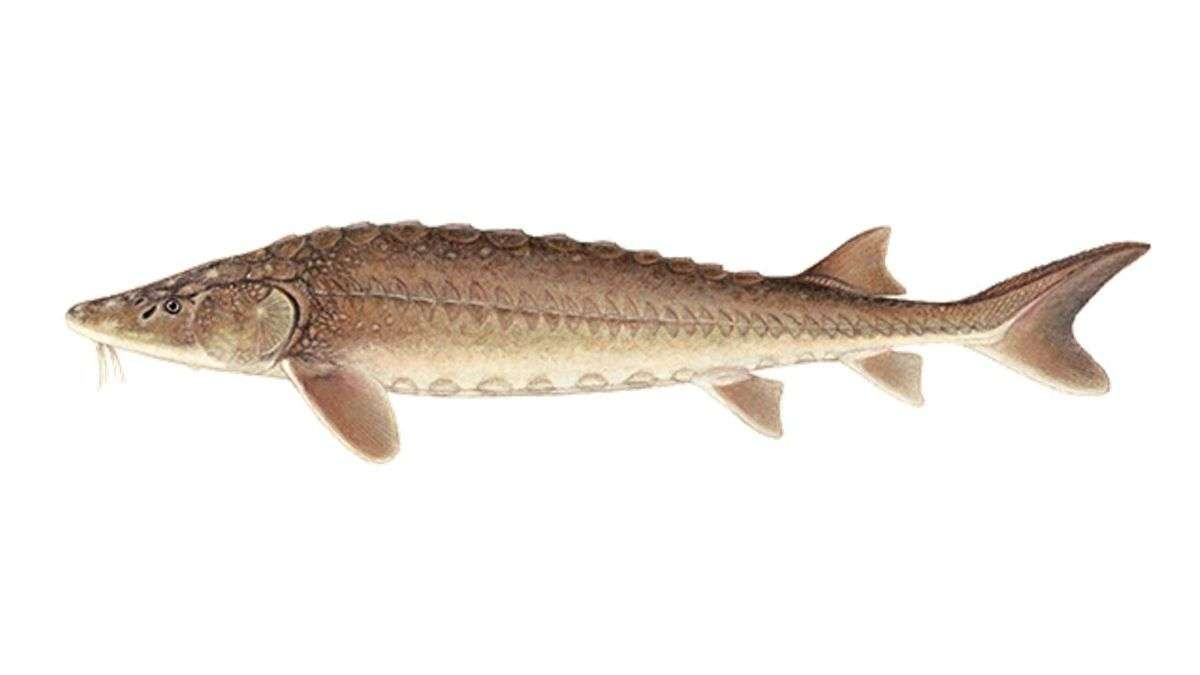
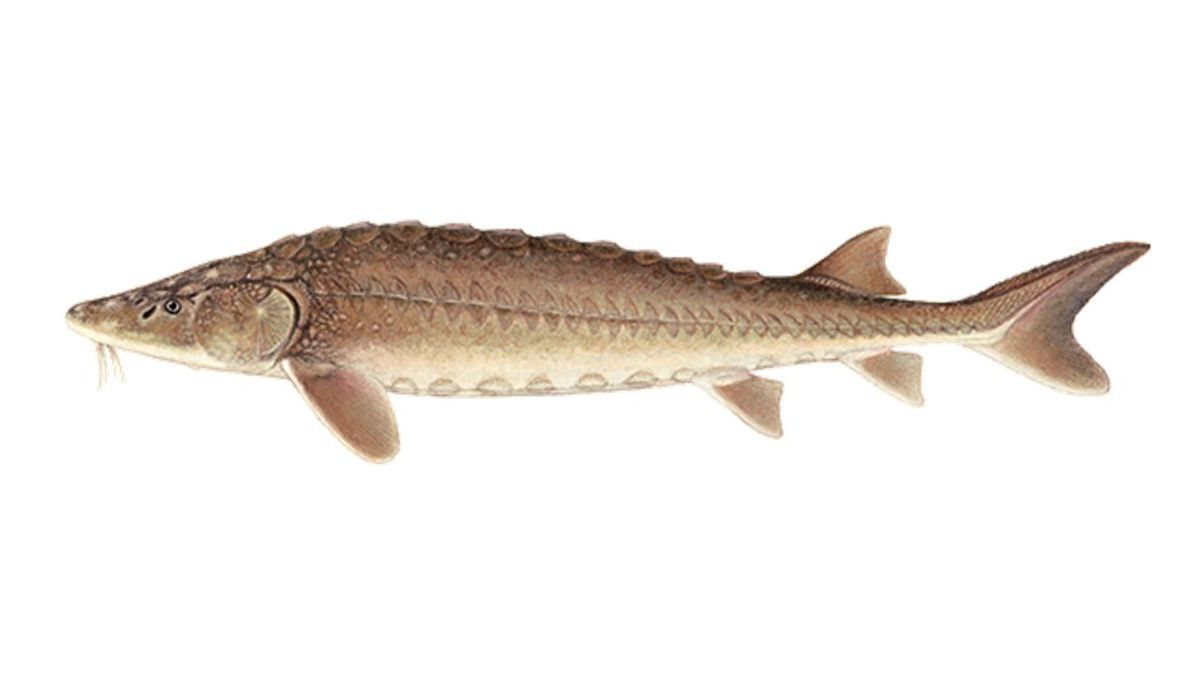 Lake Sturgeon
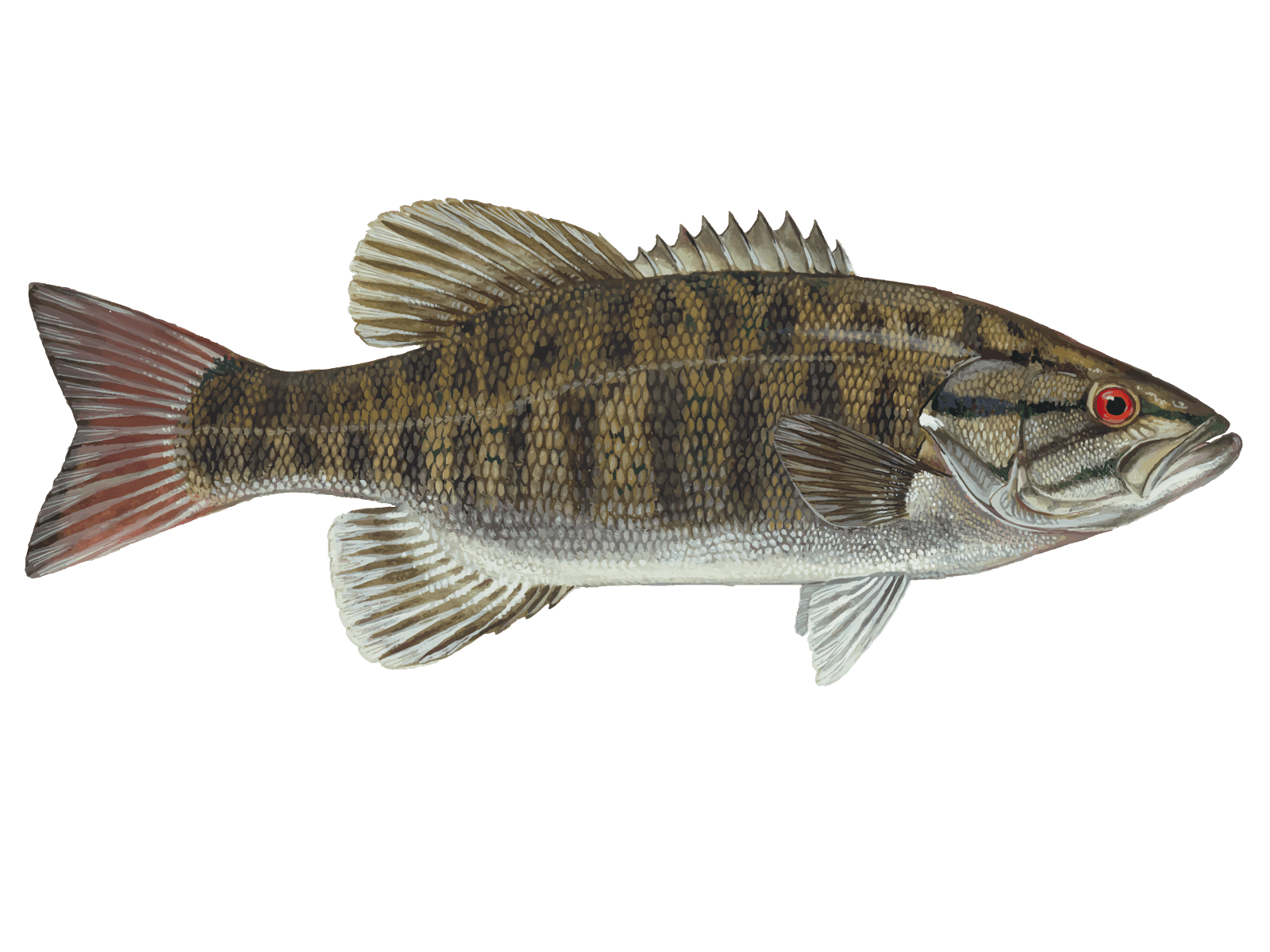
 Smallmouth Bass
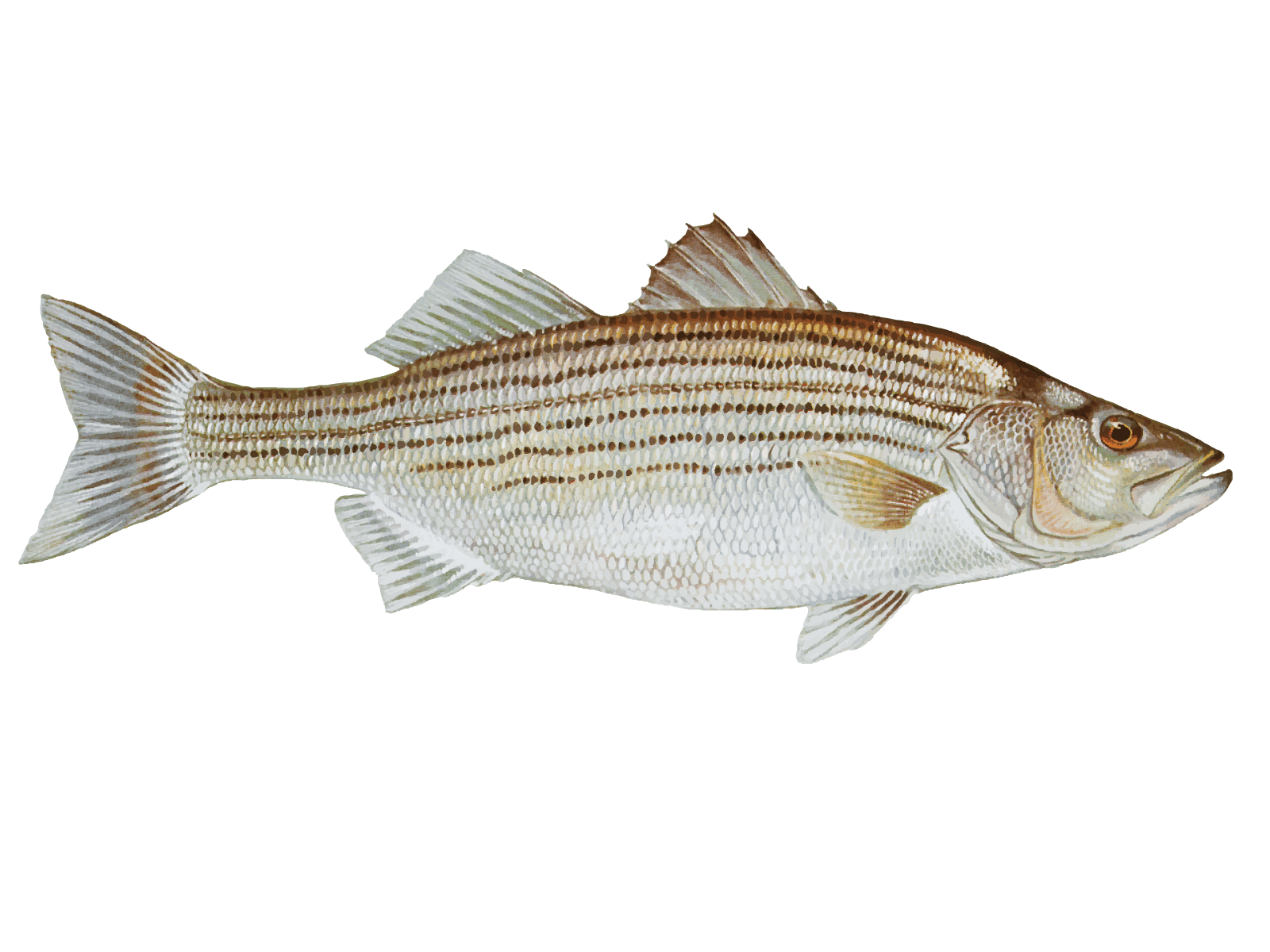
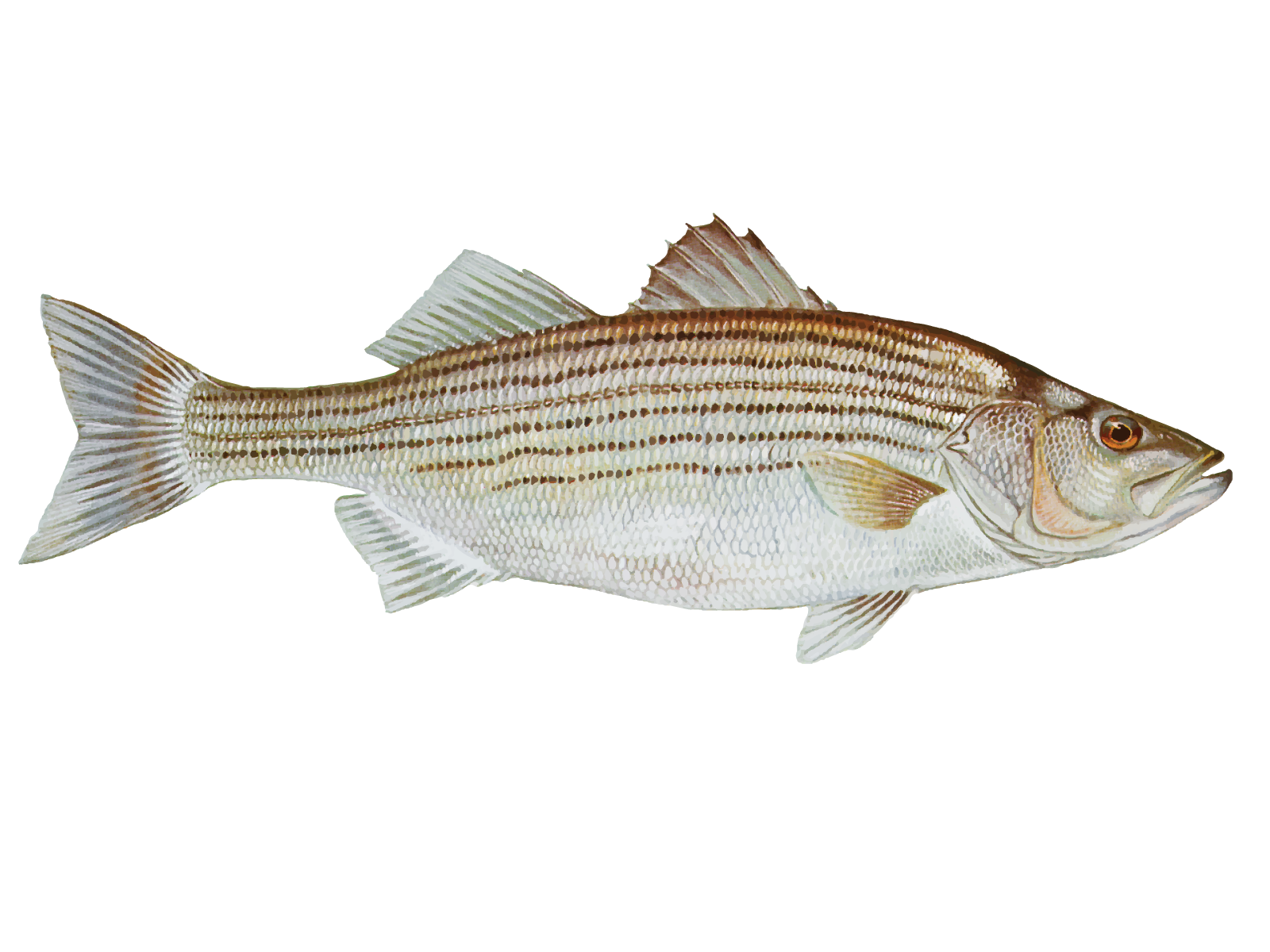 Striped Bass
- Full-day Fall Chinook salmon fishing on Elk and Sixes Rivers
- Expert guidance with Willie drift boat and all gear provided
- Hands-on learning experience targeting hard-fighting Oregon salmon
Trip Pricing and Availabilities:
Fall Chinook Fishing on Oregon's Coastal Rivers
Get ready for an epic day chasing monster Fall Chinook on Oregon's legendary Elk and Sixes Rivers. Josh Sutch Guide Service offers an 8-hour private charter that'll have you drifting through some of the most productive salmon waters on the coast. Whether you're a seasoned angler or it's your first time wetting a line, this trip is your ticket to hooking into the fish of a lifetime. We're talking about battling chrome-bright Kings that can tip the scales at 30+ pounds. So grab your rain gear and let's hit the river!
The Lowdown on Your Day
Picture this: You're gliding down a misty coastal river in a classic Willie drift boat, surrounded by towering redwoods and rugged cliffs. The air is crisp, there's a hint of fall in the breeze, and your guide, Josh, is pointing out prime holding water where big Chinook are stacked up. You'll spend the day working premium runs, back-bouncing roe, pulling plugs, and maybe even tossing some hardware if the conditions are right. Josh knows these rivers like the back of his hand and he'll put you on fish, guaranteed. The boat's limited to just two anglers, so you'll have plenty of elbow room and personalized attention. No need to worry about gear either - we've got you covered with top-notch rods, reels, and all the tackle you'll need to put a hurting on some chrome.
How We Hunt These Kings
Fall Chinook fishing on the Elk and Sixes is a game of patience and precision. We'll be drifting downstream, hitting all the prime slots where these big boys like to hold. The go-to technique is back-bouncing cured salmon roe. It's an art form, really - keeping that bait dancing just off the bottom where the fish can get a whiff. We'll also pull some K16 Kwikfish and maybe run some sardine-wrapped FlatFish if the water's high. If you're new to these methods, no sweat. Josh will get you dialed in quicker than you can say "Fish on!" And when that rod doubles over, hold on tight. These Fall Chinook hit like a freight train and they'll test every knot in your leader. It's not uncommon to see 20 to 30-pounders, with the occasional beast pushing 40+. Just remember, it's called fishing, not catching - but we'll do our darndest to put you on some chrome.
Species in the Spotlight
Fall Chinook Salmon: These are the kings of the Pacific, and for good reason. Elk and Sixes River Chinook are known for their size and power. They start showing up in September, with the peak usually hitting in November. These fish are fresh from the ocean, sporting scales so bright they'll make your polarized lenses work overtime. They average 15-25 pounds, but don't be shocked if you tie into a 30 or 40-pounder. What makes them so special here? The short, steep nature of these coastal rivers means these fish are at their absolute prime - fat, strong, and ready to rip line off your reel.
Coho Salmon: While we're primarily after Chinook, you might just run into their cousins, the Coho (Silver) salmon. These fish are like the sports cars of the salmon world - smaller than Chinook but lightning-fast and acrobatic. They usually show up a bit earlier, peaking in October. A nice 10-12 pound Coho can give you one heck of a fight, often cartwheeling across the surface. They're a blast on lighter tackle and make for some fantastic table fare.
Striped Bass: Now here's a curveball - you might not expect to find stripers in the same waters as salmon, but the Elk and Sixes have a unique run of these East Coast transplants. They show up in the lower reaches of the rivers, usually in the spring and fall. Stripers in the 5-10 pound range are common, with some real monsters lurking in the deeper holes. They hit hard and fight dirty, often making powerful runs back to structure. If we stumble onto a school of these bad boys, hang on tight!
Why Anglers Can't Get Enough
Let me tell you, there's something magical about fishing these coastal rivers. Maybe it's the way the mist hangs over the water in the early morning, or the heart-stopping moment when a big King crushes your bait. Could be the chance to hook a fish that'll make your arms ache for days. Or maybe it's just the peace of drifting through some of the most beautiful country Oregon has to offer. Whatever it is, anglers who fish the Elk and Sixes tend to come back year after year. It's not just about filling the cooler (though that's a nice bonus) - it's about the experience, the challenge, and the chance to connect with nature in a way that's hard to find anywhere else.
Lock in Your Spot Now
Alright, let's cut to the chase. Fall Chinook season is prime time on these rivers, and spots fill up faster than a limit of salmon. If you're itching to test your skills against some of the biggest, baddest fish in the Pacific Northwest, now's the time to pull the trigger. Give Josh Sutch Guide Service a call and get your name on the books. Just remember, that deposit is non-refundable, so make sure you're ready to commit. Trust me, once you feel that first tug and hear that screaming reel, you'll be glad you did. So what are you waiting for? The Kings are coming, and they're not going to catch themselves. Let's make some memories on the river!
Learn more about the animals
Chinook Salmon
Chinook salmon, or kings, are the biggest of the Pacific salmon. They average 10-50 pounds but can top 100. You'll find them in coastal rivers and the Pacific Ocean. Fall is prime time as they run upriver to spawn. Anglers target kings for their massive size, powerful fights, and rich flavor. These fish will test your tackle and stamina. To catch chinook, try back-bouncing roe or pulling plugs in deeper holes and runs. They often hug the bottom, so get your bait down. A local trick is to use scent on your lures - kings have an amazing sense of smell. Early morning and evening are best as they're light-sensitive. There's nothing like the heart-pounding moment when a big king slams your bait and peels line. Be ready for an epic battle that could last an hour or more.
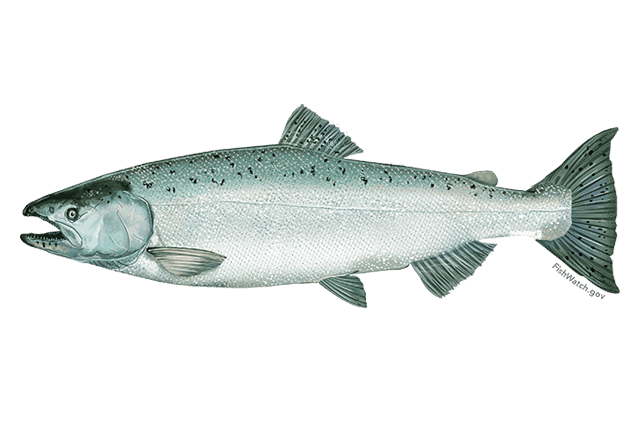
Coho Salmon
Coho salmon, also called silvers, typically weigh 8-12 pounds but can reach 20+. You'll find them in coastal rivers and nearshore ocean waters. They start running upriver to spawn in late summer through fall. Anglers love coho for their acrobatic fights and tasty orange-red meat. These fish hit hard and leap repeatedly when hooked. To catch them, try drift fishing with roe or casting spinners in faster water. As they move upstream, look for coho holding in deeper pools and runs. A local trick is to use bright pink or orange lures - coho seem drawn to those colors. Fall is prime time when the fish are aggressive and their meat quality peaks. There's nothing like battling a fresh silver salmon as it cartwheels across the river. Just be ready for some serious action when that rod doubles over.
Lake Sturgeon
Lake Sturgeon are prehistoric-looking giants that can live over a century. These bottom-dwellers typically reach 3-5 feet and 30-100 pounds, but monsters over 200 pounds exist. You'll find them in deep holes, eddies, and drop-offs in large rivers and lakes. They're most active in spring and fall when water temps are cooler. Anglers love targeting sturgeon for their incredible size and powerful fights. Their meat and roe are prized, but many practice catch-and-release to conserve populations. To land one, use heavy tackle with a glob of nightcrawlers on a circle hook. Fish it right on the bottom in those deep holes. Be patient - these fish are deliberate feeders. When you feel that slow, steady pull, get ready for an epic battle with a living fossil.
Smallmouth Bass
Smallmouth bass are scrappy fighters that typically run 2-4 pounds but can reach 8+. You'll find them in clear, cool rivers and lakes with rocky or gravelly bottoms. They love hanging around structure like fallen trees and boulders. Spring and fall are prime seasons when smallies are most active in shallower water. Anglers prize them for their acrobatic jumps and hard runs. These fish punch well above their weight class. To catch smallmouth, try crawfish-imitating jigs or tubes around rocky areas. When the water warms up, switch to deeper dropoffs with crankbaits. One local trick is to use lighter line - 6-8 pound test. It lets your lures move more naturally and you'll feel those subtle strikes better. There's nothing like the bend in your rod when a chunky smallie slams your bait.
Striped Bass
Striped bass are hard-fighting fish that typically run 20-40 pounds but can top 70. Look for them around structure like reefs, sandbars, and drop-offs within a few miles of shore. They prefer cooler water, so target them in spring and fall or deeper water in summer. Stripers are popular for their strong runs, acrobatic jumps, and excellent table fare. To hook one, try trolling with live bait like herring or menhaden along depth changes. When you mark fish, switch to casting plugs or jigs. A local trick is to look for working birds - they'll lead you right to feeding stripers. These fish move constantly, so be ready to relocate if the bite slows. The thrill of battling a big striper in the surf or from a boat keeps anglers coming back year after year.
About the Willie Boats
%2F%2Fusers%2F950fb05f-c713-4d34-aaae-13d1319ceabc%2Fvehicle_picture%2Fimage-2024-11-14t151844.427.png&w=1920&q=75)
Vehicle Guest Capacity: 6
Manufacturer Name: Mercury
Maximum Cruising Speed: 38
Number of Engines: 1
Horsepower per Engine: 240