%2Ffit-in%2F250x250%2Fguide_websites%2F19714%2Fimages%2F1731577366730image-2024-11-14t174239.512.png&w=1920&q=100)
Albacore Tuna Fishing in Myrtle Creek OR
Albacore Tuna Fishing in Myrtle Creek - What to Expect
%2F%2Fusers%2F950fb05f-c713-4d34-aaae-13d1319ceabc%2Fimages%2Falbacore-tuna-myrtle-creek-catch-2674.jpg&w=1920&q=75)
Fishing Charter by Captain Joshua Sutch in July
Meet your Captain Joshua Sutch
- Exciting Adventures in Winchester Bay


Summary
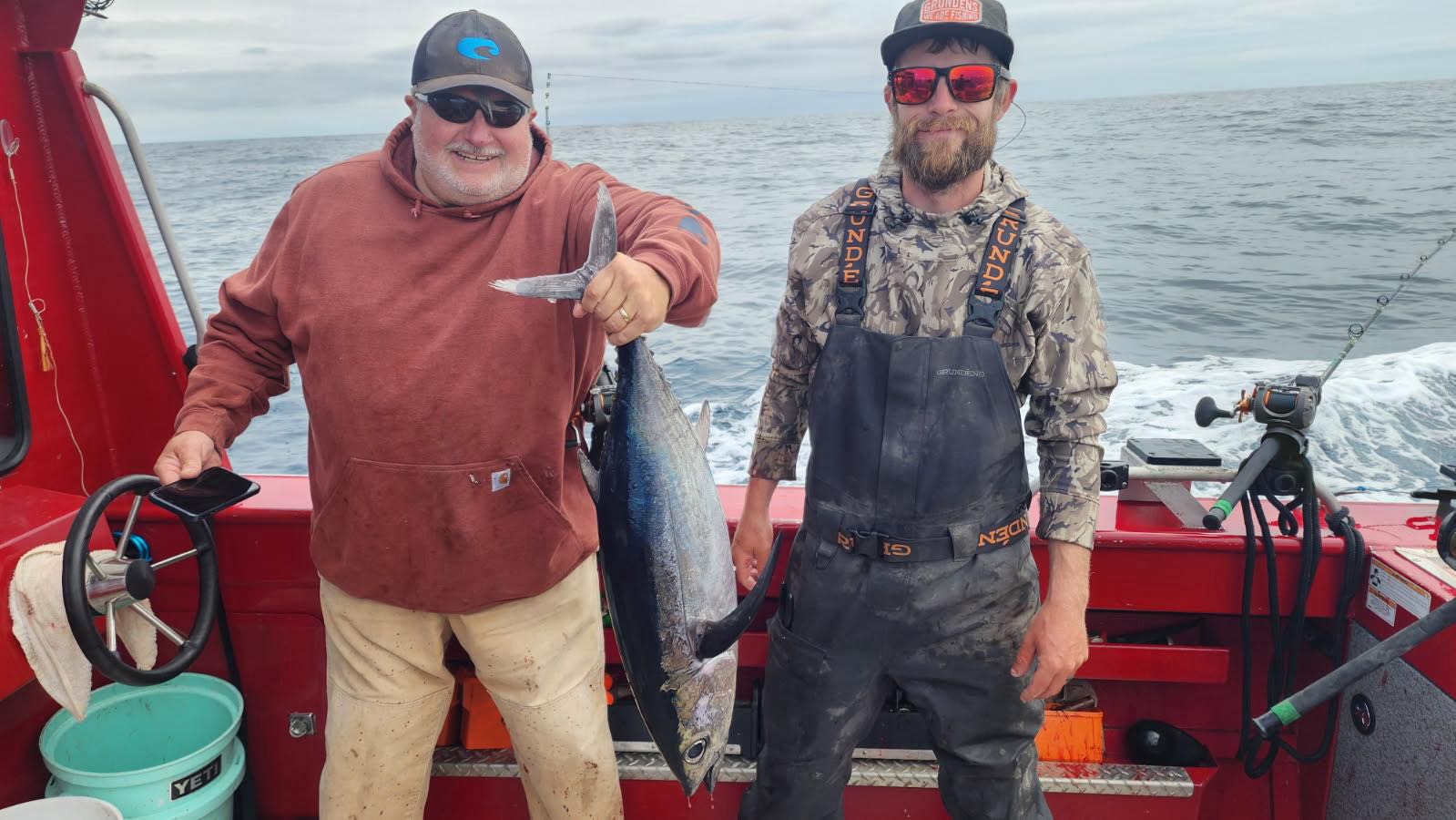
A successful albacore tuna fishing charter in Myrtle Creek, Oregon delivered multiple impressive catches. This fishing charter showcased the abundant tuna populations off the Oregon coast, with a productive day on the water that resulted in a solid haul for anglers seeking quality saltwater fishing experiences near Coos Bay.
Albacore Tuna Fishing with Captain Joshua Sutch - Rates & Booking
Captain Joshua Sutch of Josh Sutch Guide Service took clients out on a productive Tuesday in July for an albacore tuna fishing charter. This fishing charter experience showcases what offshore fishing near Myrtle Creek and Coos Bay has to offer. The combination of local knowledge and direct access to prime fishing grounds makes this charter service stand out for anglers targeting premium saltwater species.
Captain Sutch brings years of Oregon coast fishing expertise to every trip. Whether you're a seasoned angler or looking to land your first albacore, having a guide who understands the seasonal patterns and productive fishing zones makes the difference. To book your albacore tuna fishing charter, contact Josh Sutch Guide Service directly to reserve your date and discuss what's included in your charter package.
Highlights of Albacore Tuna Fishing
The most rewarding aspect of this charter was the volume and quality of the catch. Multiple albacore tuna landed on the same trip means the fishing was hot and conditions aligned perfectly. Albacore tuna are strong fighters that test your skills and equipment, making each catch feel earned and memorable.
Fishing for albacore means being on the water where open ocean meets the Oregon coast. The offshore environment here creates ideal conditions for these migratory species. Success like this doesn't happen every day, which made this particular charter especially noteworthy for everyone aboard.
Local Species Insights: Albacore Tuna
Albacore tuna are premium game fish found in Pacific waters off Oregon during their seasonal migration. These fish are fast, powerful swimmers that live in schools, which is why productive days often result in multiple hookups. The albacore that show up off the Myrtle Creek and Coos Bay area typically range from 15 to 35 pounds, offering excellent sport and a genuine test of angling ability.
What makes albacore so desirable is their combination of size, strength, and table quality. They hit artificial lures aggressively and will fight hard when hooked. Fishing for them requires reading water conditions, understanding bait movements, and positioning the boat where schools are actively feeding. This is where local expertise becomes invaluable. Captain Sutch's familiarity with these patterns and the specific offshore zones where albacore congregate directly impacts your success on the water.
The offshore environment off Oregon's coast supports consistent albacore populations during peak season. Water temperature, current patterns, and baitfish availability all converge to create the conditions these fish prefer. Days like the one shown in this catch photo demonstrate why anglers specifically plan trips around albacore season in this region. The satisfaction of landing multiple fish in a single outing is what keeps people returning to this fishery year after year.
Fishing in Coos Bay: Albacore Tuna
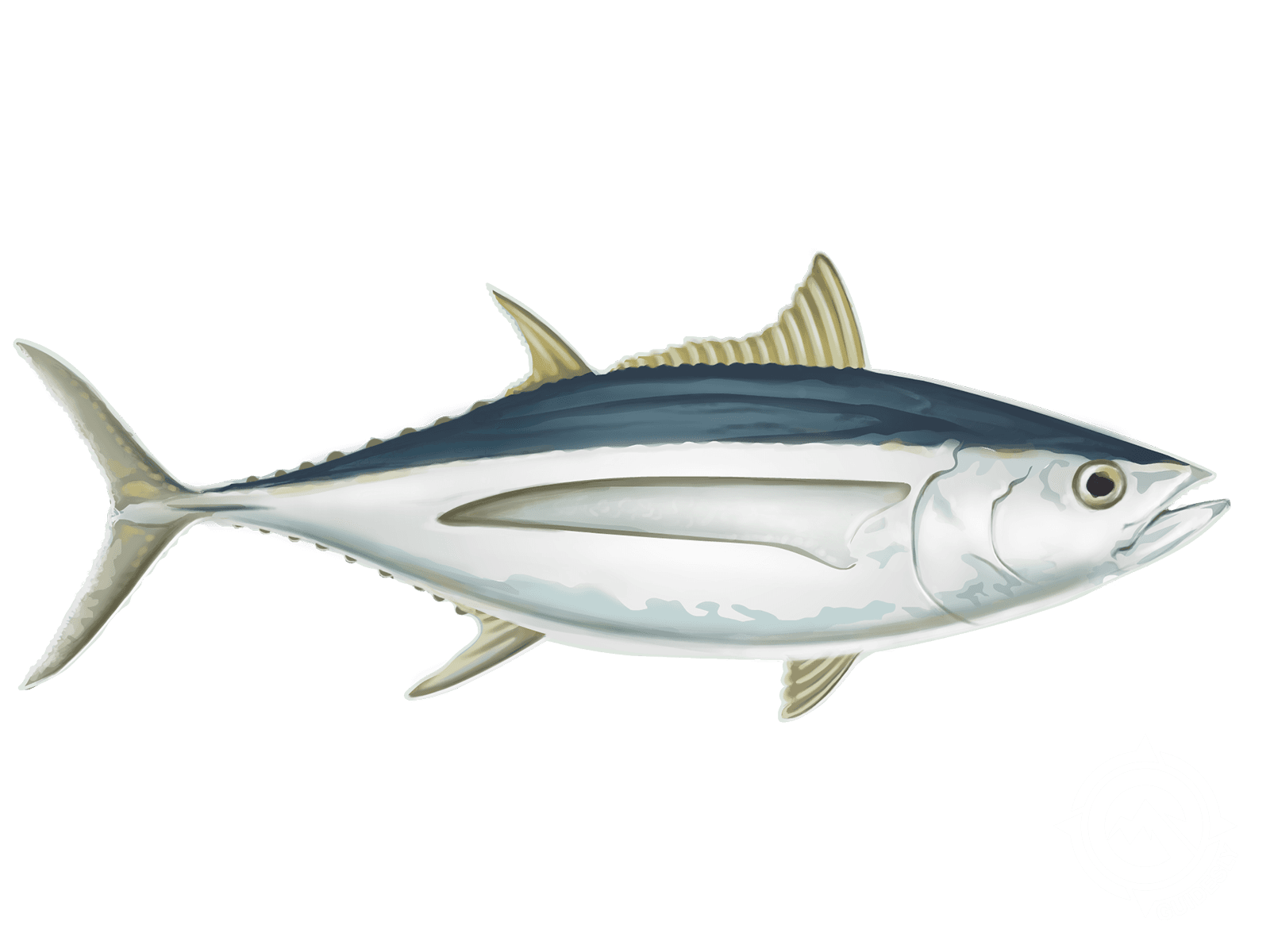
Albacore Tuna (Thunnus Alalunga) belongs to the family Scombridae and order Perciformes, making it a true oceanic speedster that never stops moving. This distinctive bullet-shaped fish is one of the smaller tuna species, instantly recognizable by its large mouth, prominent eyes, and cone-shaped nose. With a striking dark gray-blue body contrasting against a silver-white abdomen, and pectoral fins that can reach up to 30% of its total body length, the Albacore is as beautiful as it is fierce. Known as the only tuna that can be legally labeled and sold as "white meat tuna," this species has captured the hearts and appetites of anglers and seafood enthusiasts alike, particularly along the coasts of California and beyond. What makes Albacore truly special is that they travel in schools that can stretch up to 19 miles wide—a phenomenon that makes for absolutely incredible fishing opportunities and creates the kind of heart-pounding action that keeps anglers coming back year after year.
Albacore Tuna Overview
Albacore Tuna is a sleek, fast-moving pelagic species that represents one of the most prized game fish in offshore waters. These fish are relatively modest in size compared to their bluefin cousins, but what they lack in bulk they more than make up for in speed, aggression, and sheer fighting spirit. The species is native to deep ocean environments and has become a cornerstone of both recreational and commercial fishing industries worldwide. Whether you're targeting them for sport or sustenance, Albacore offers an unforgettable offshore experience with consistent action and excellent odds for success.
Albacore Tuna Habitat and Distribution
Albacore Tuna inhabit deep ocean waters in subtropical and temperate zones, with significant populations on both sides of the United States. In the Atlantic Ocean, they prefer the warmer waters off the eastern seaboard, while Pacific populations thrive along the California coast and extend up through North American waters. These fish are highly migratory and follow seasonal temperature patterns, clustering in areas where water conditions are optimal for their feeding and spawning cycles. They're found in offshore environments typically beyond the continental shelf, where water depths and temperatures support their active, oxygen-demanding lifestyle. Around California's coast—particularly near Santa Cruz and beyond—Albacore schools appear seasonally and create world-class fishing opportunities that draw anglers from around the globe.
Albacore Tuna Size and Weight
Albacore Tuna typically range from 18 to 25 inches in length, with weights between 20 and 45 pounds, making them an ideal target species for anglers seeking manageable yet spirited game fish. The largest recorded Albacore caught off Santa Cruz, California in 1997 weighed an impressive 90 pounds—a testament to the exceptional specimens that occasionally inhabit offshore waters. The International Game Fish Association record stands at 88 pounds and 2 ounces, caught by Siegfried Dickermann in Spain using live mackerel as bait. The species' streamlined body design and powerful musculature allow them to achieve remarkable speeds despite their modest proportions, making every encounter an adrenaline-fueled battle.
Albacore Tuna Diet and Behavior
Albacore are relentless predators with daytime-focused feeding patterns. Their diet consists primarily of small fish including mackerel, herring, anchovies, smelt, and sardines—preferences that directly inform successful bait and lure selection. These fish possess an extraordinary biological constraint: they must constantly move to maintain oxygen flow across their gills, meaning they literally never rest. This perpetual motion drives their feeding behavior and explains their aggressive, opportunistic hunting style. Schools of Albacore coordinate their movements and feeding attacks with remarkable efficiency, which is why hooking one fish often results in multiple catches from the same school. Their large eyes and powerful hunting instincts make them visual feeders that respond enthusiastically to both live bait presentations and well-placed artificial lures.
Albacore Tuna Spawning and Seasonal Activity
Albacore Tuna have an extended spawning season running from March through July, with the capacity for multiple spawning events within a single year. During spawning, females release approximately 2.6 million eggs near the water surface, where they undergo rapid fertilization and development. The fry remain in their natal waters for approximately two years before dispersing into broader ocean environments. This prolific reproduction strategy ensures healthy population renewal, though these young fish must survive intense predation and environmental challenges. The long spawning window creates overlapping generations throughout offshore waters, contributing to the species' consistent availability to anglers throughout the warmer months and into fall.
Albacore Tuna Techniques for Observation and Capture
Trolling Method: Trolling is perhaps the most effective approach for Albacore, particularly when targeting schools in transit. Position lures 50 to 90 feet behind your boat at varying depths, using swimming plugs, cedar plugs, or specialized tuna feathers. The first fish hooked often acts as a "school finder"—if landed successfully, you'll likely experience non-stop action from other school members. However, if that initial fish escapes, the entire school may bolt the area, so use appropriate tackle and patience. This method works exceptionally well around Santa Cruz and throughout California's offshore zones during peak season.
Live Bait Presentation: Live mackerel, herring, anchovies, or squid presented near known Albacore schools yields excellent results. Pole-and-line fishing with live bait allows for precise placement and rapid response to feeding activity. This approach works best when schools are actively feeding, typically during daylight hours, and pairs well with chumming or live bait jigging techniques.
Fly Fishing Approach: Dedicated fly anglers use closures and deceivers to tempt aggressive Albacore in surface-feeding situations. This high-energy method requires reading water conditions, locating birdwork indicating feeding schools, and making accurate casts to moving targets. The explosive strikes and acrobatic runs make fly fishing for Albacore an unforgettable experience for skilled anglers.
Albacore Tuna Culinary and Nutritional Notes
Albacore Tuna is considered excellent table fare and is the only tuna species that can legally be labeled and marketed as "white meat tuna." Unlike chunk light varieties, Albacore flesh remains in larger, firmer pieces with a lighter color and milder flavor profile that appeals to many palates. The meat offers excellent protein content and omega-3 fatty acids, supporting cardiovascular and cognitive health. However, Albacore contains moderate levels of mercury, so consumption should be somewhat limited—particularly for pregnant women and young children. When prepared fresh or canned, Albacore delivers delicious versatility suitable for grilling, searing, canning, or salads. The superior texture and taste have established it as a premium product in both recreational and commercial contexts.
Albacore Tuna Frequently Asked Questions
Q: What is the best bait for catching Albacore Tuna?
A: Live mackerel, herring, anchovies, and squid are the most effective live baits. For artificial presentations, swimming plugs, cedar plugs, and specialized tuna feathers excel at triggering aggressive strikes. The key is matching bait size to typical prey species and maintaining realistic presentation speeds.
Q: Where can I find Albacore Tuna near California?
A: Albacore populations concentrate along the Pacific coast, particularly around Santa Cruz, the California coast, and offshore waters during warmer months. Deep offshore zones beyond the continental shelf hold the most consistent populations, typically requiring full-day or multi-day charter expeditions to access effectively.
Q: Is Albacore Tuna good to eat?
A: Absolutely. Albacore is considered the premium white meat tuna and is the only species legally labeled as such. It offers firmer texture, lighter color, and milder flavor than other tuna varieties, with excellent nutritional value including protein and omega-3s. Moderate mercury content suggests limiting consumption, but occasional consumption is perfectly healthy and delicious.
Q: When is the best time to catch Albacore Tuna?
A: Albacore fishing peaks from spring through fall, with peak season typically occurring June through October. They feed most actively during daylight hours, so early morning through mid-afternoon offers the best opportunities. Seasonal availability varies by coastal location, with California experiencing excellent fishing from summer into early fall.
Q: Why do Albacore travel in such large schools?
A: Albacore school formation offers predatory advantages through coordinated feeding and safety in numbers. Their schools can stretch 19 miles wide, creating an efficient hunting unit. This behavior directly benefits anglers—hooking one fish often signals the presence of dozens more, making schooling behavior the key to spectacular multi-fish days on the water.
Q: What fishing techniques are most effective for Albacore?
A: Trolling at proper distances (50-90 feet behind the boat) with appropriate lures is highly productive. Live bait pole-and-line fishing, longline techniques, purse seine, and fly fishing with closures and deceivers all yield excellent results depending on conditions and angler skill level. The 19-mile-wide schools mean that finding one fish often means finding the entire school.